CMQ 242: Quality Assurance Simulation for Dimensional Inspection
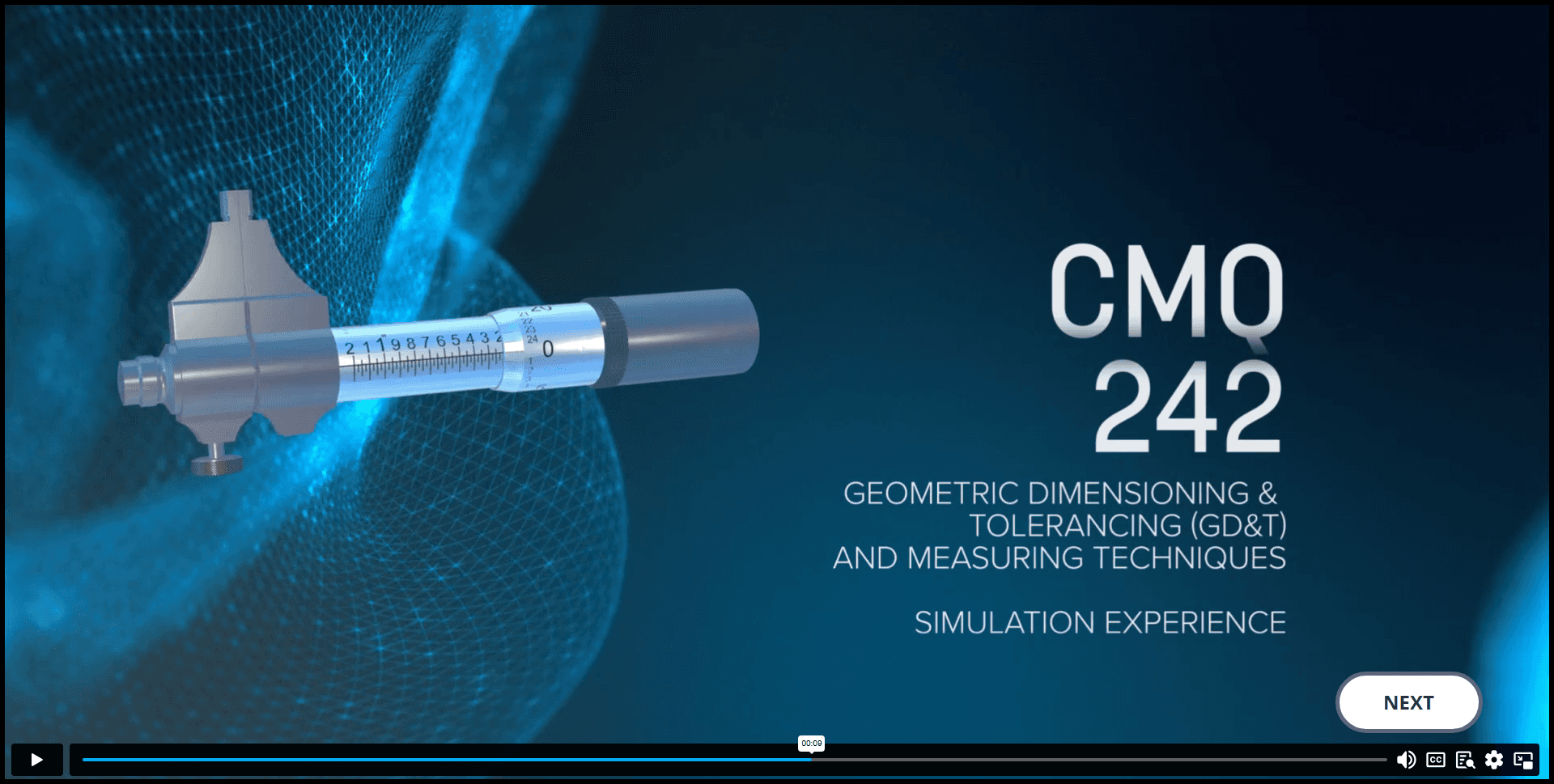
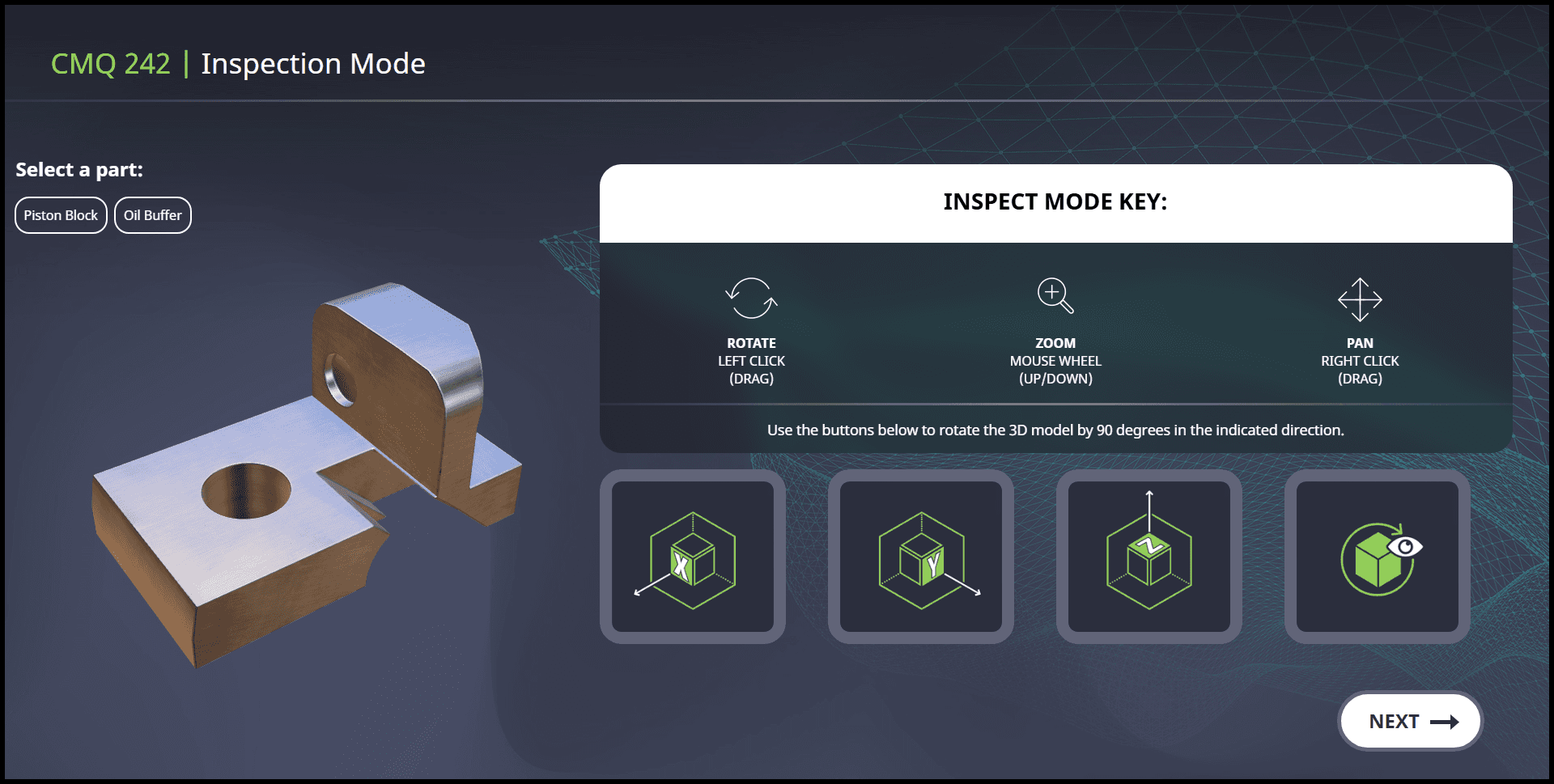
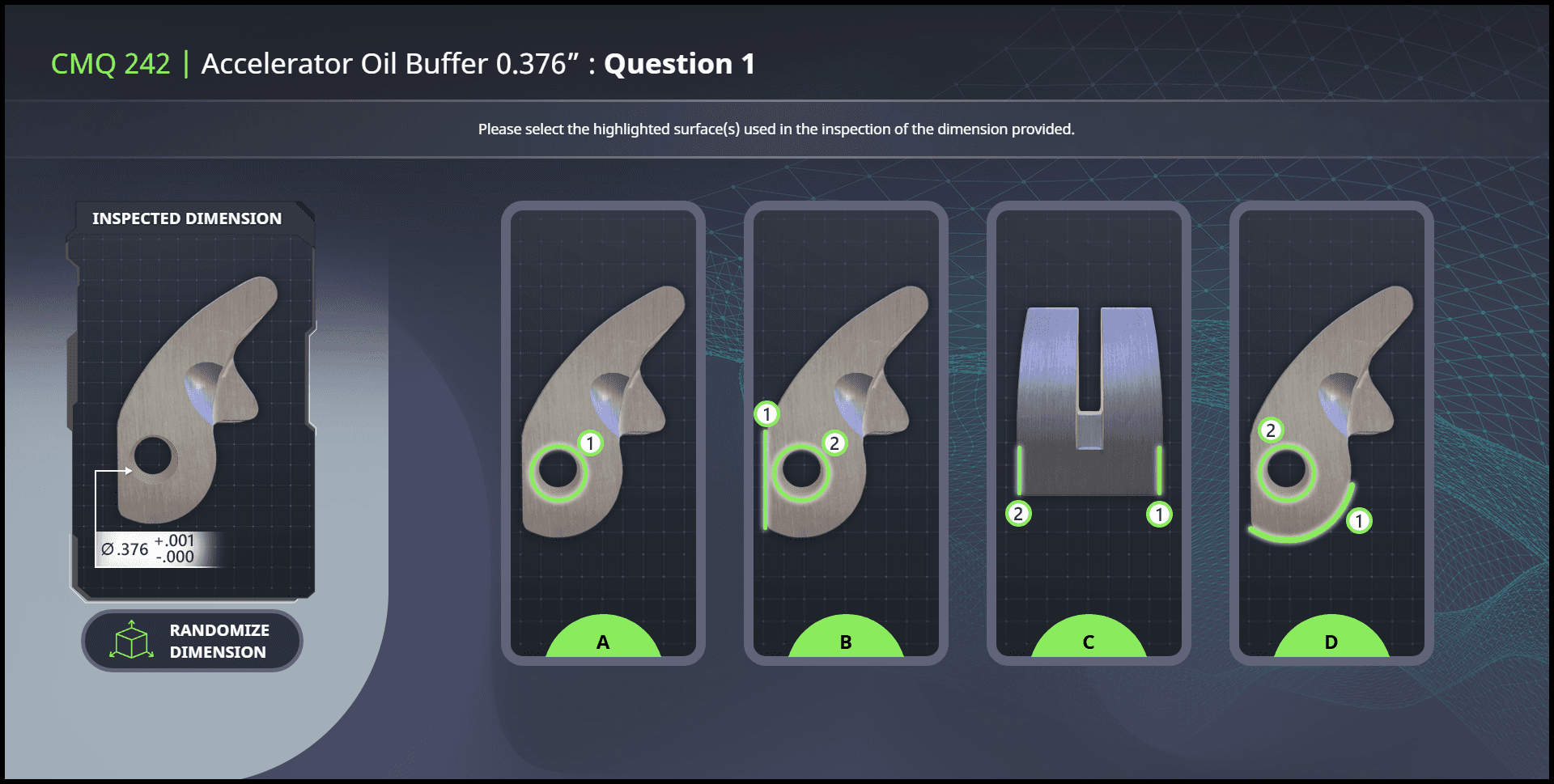
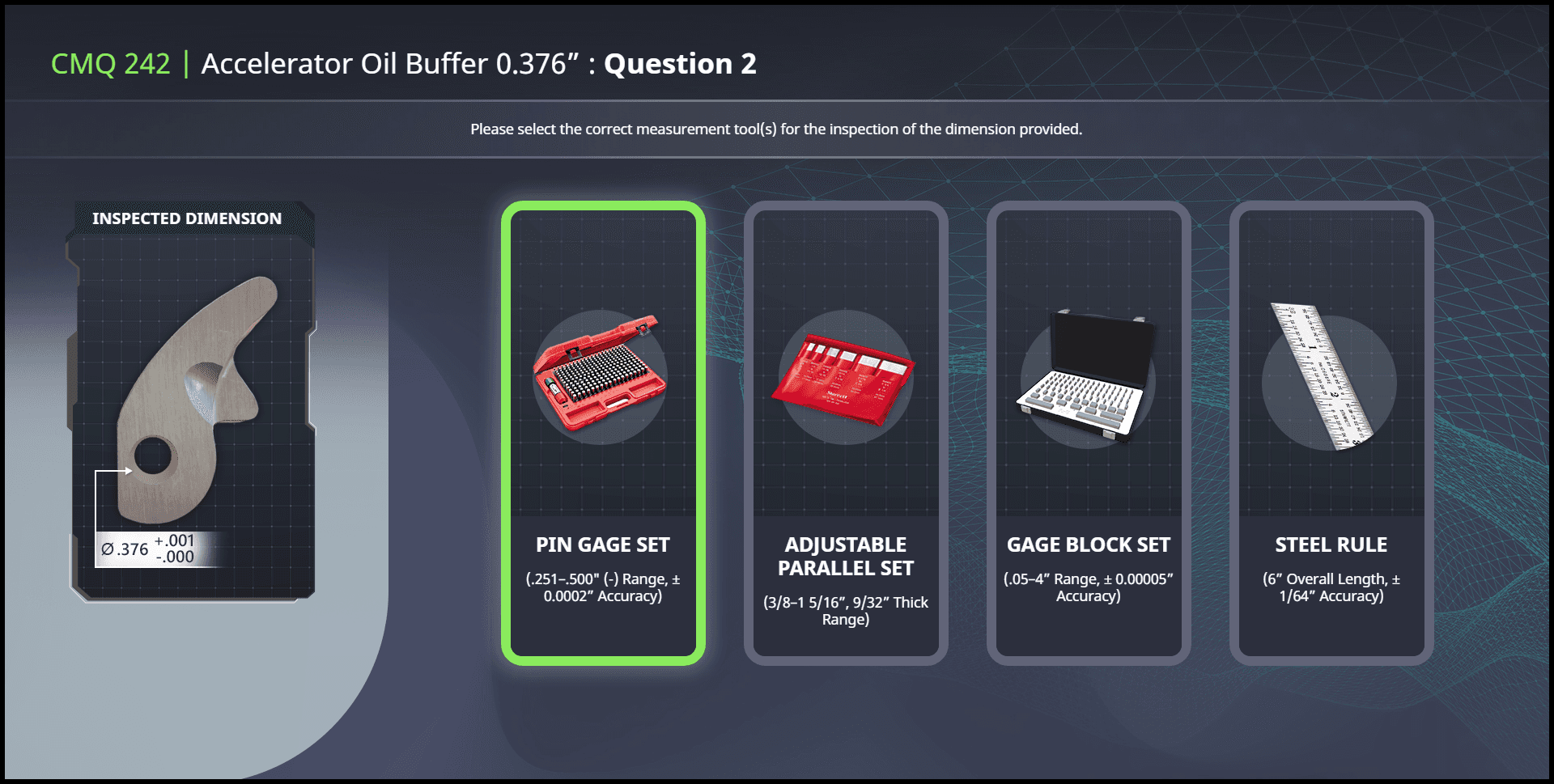
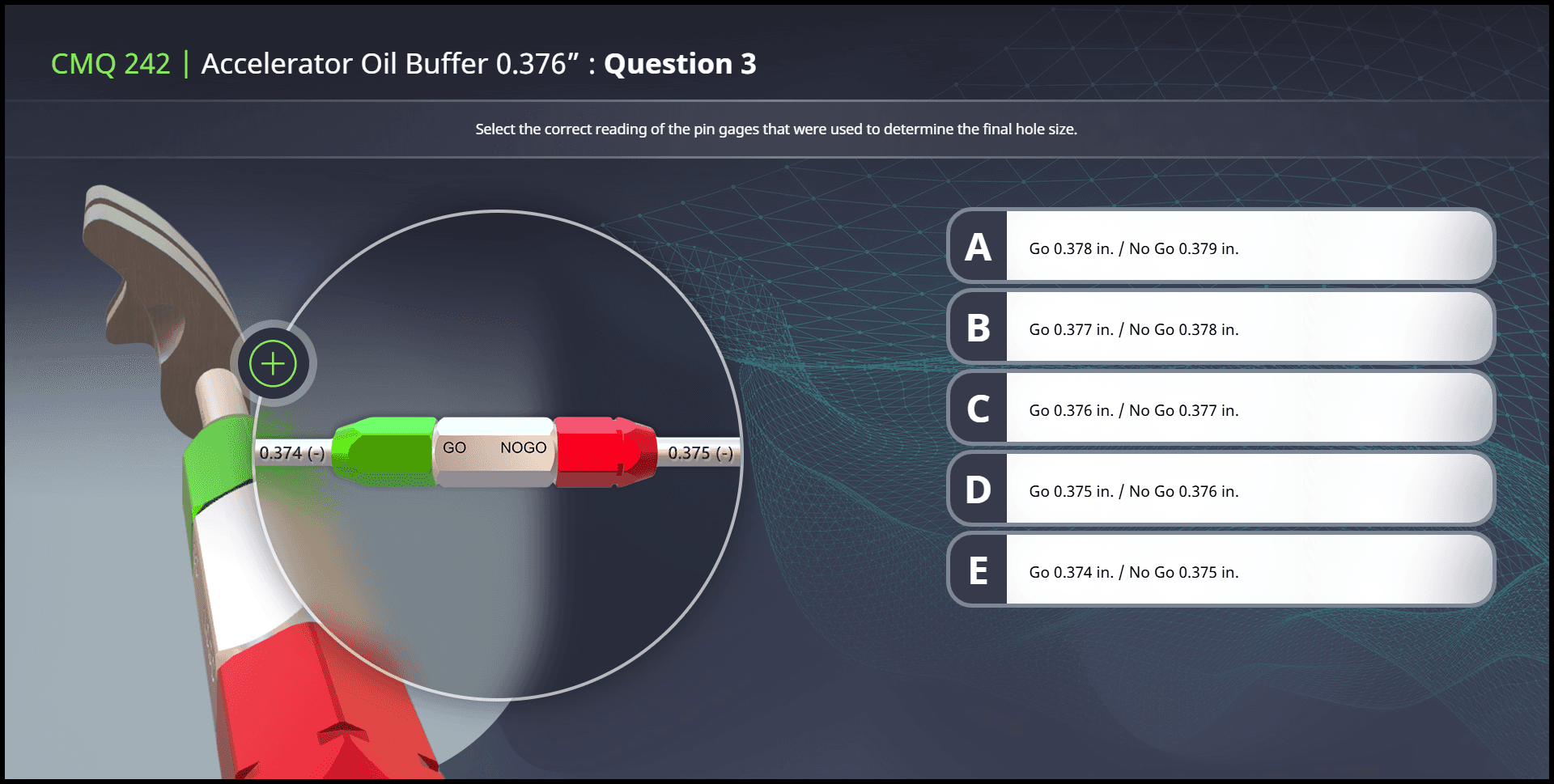
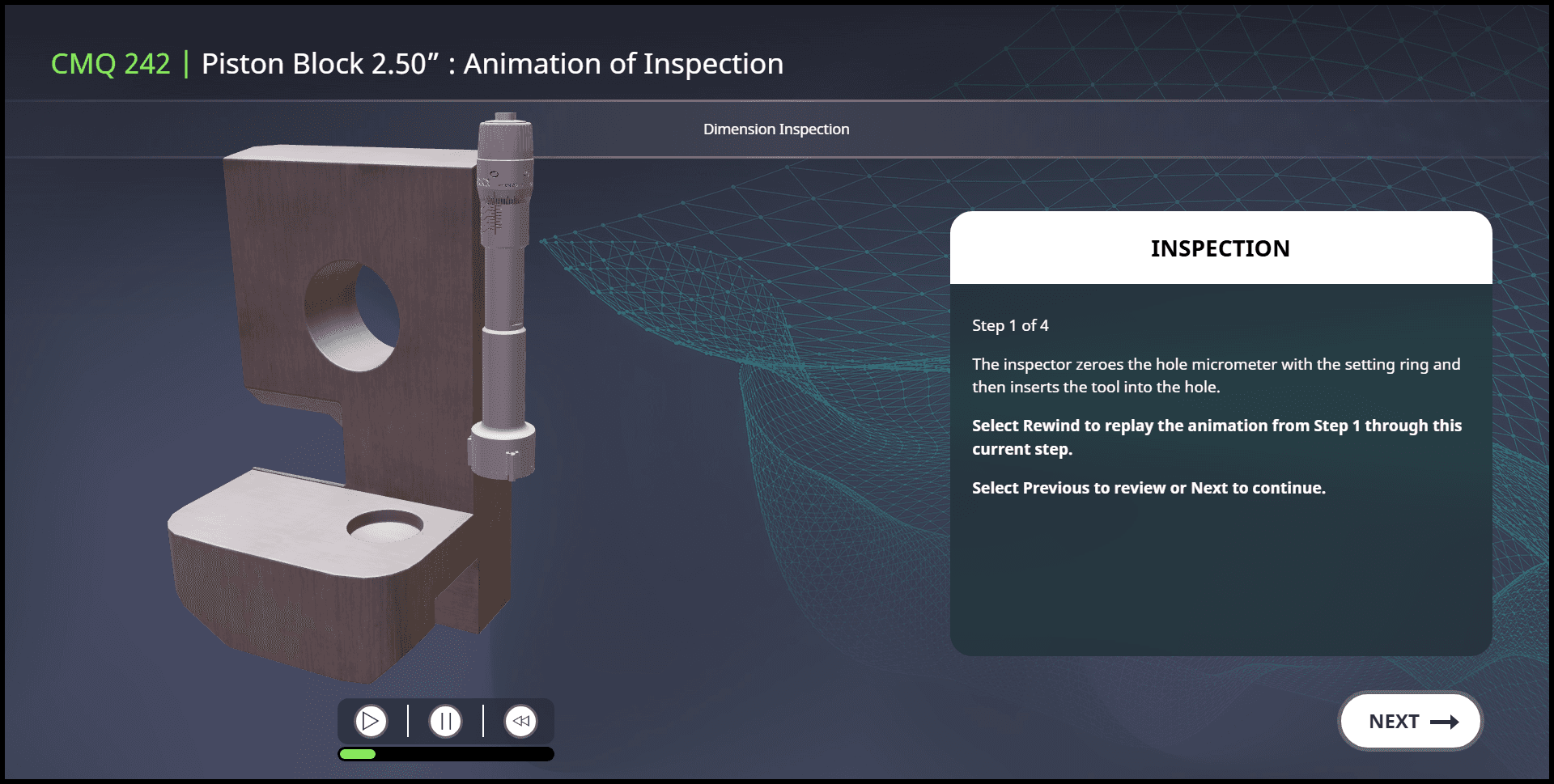
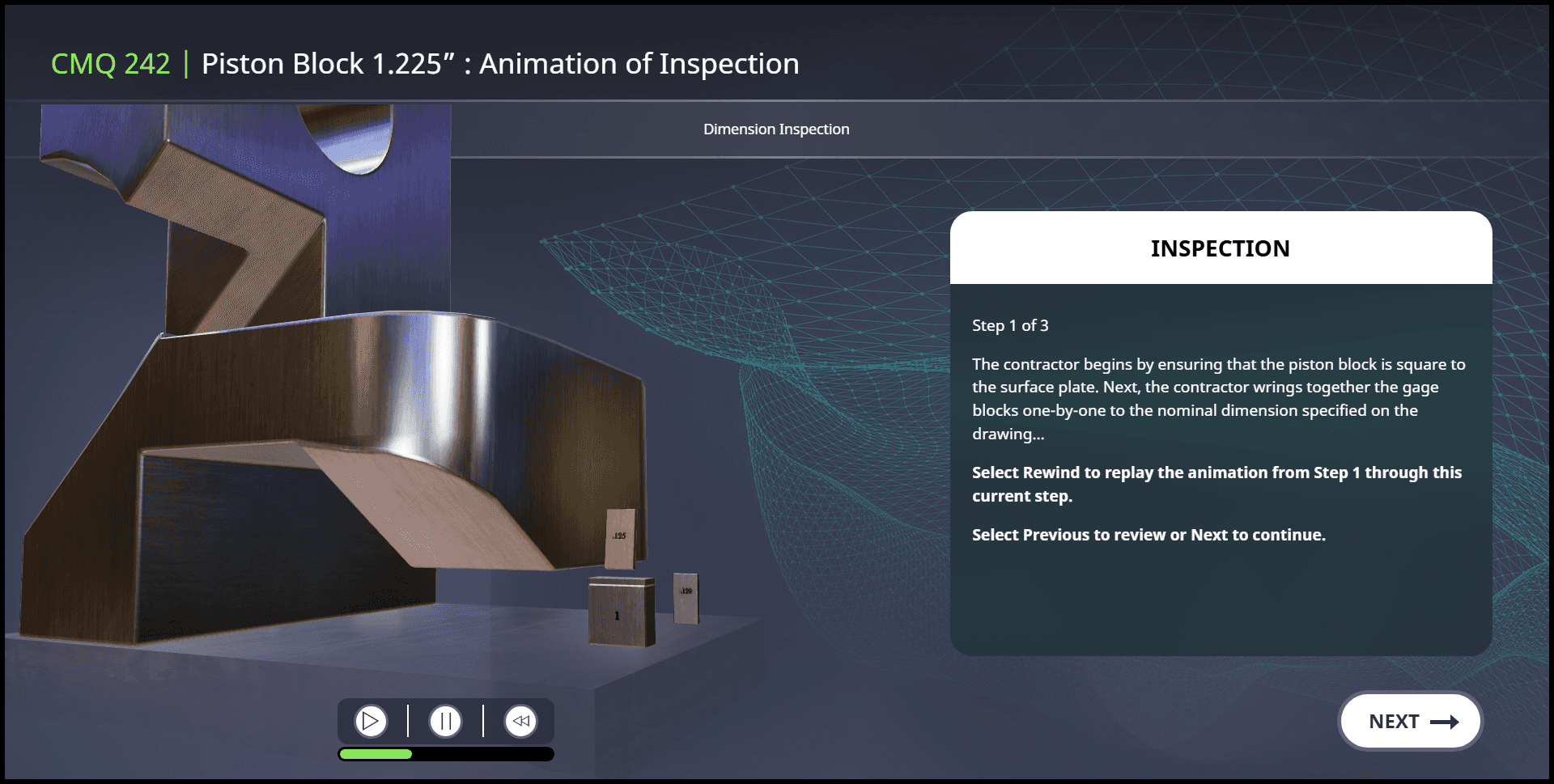
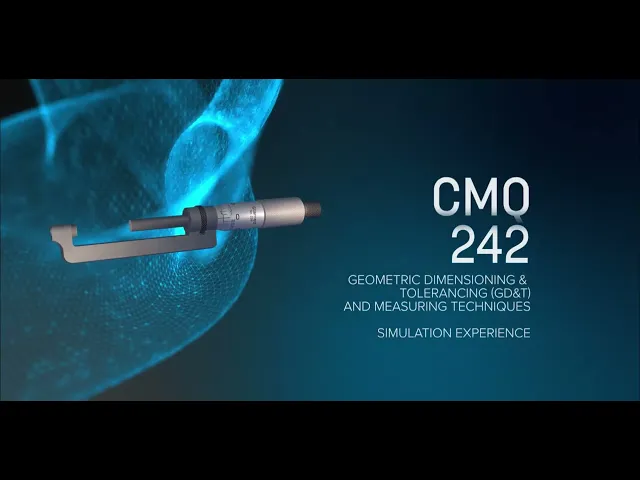
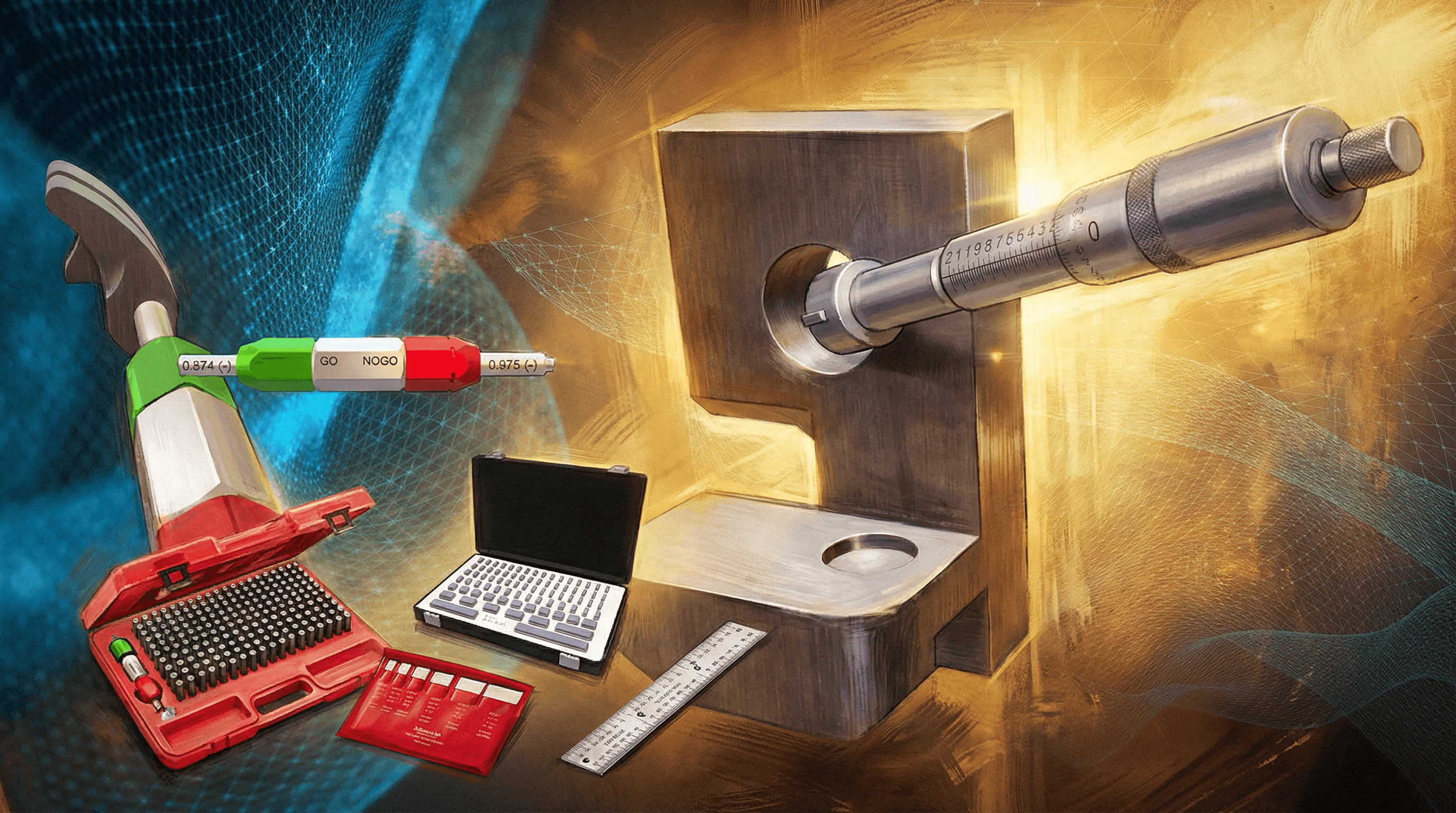
Example image of ACQ 242 Interactive Real-Time 3D simulation
CMQ Introduction
Summary
This Defense Acquisition University course was built to strengthen the real-world readiness of Quality Assurance Specialists responsible for dimensional inspection and measurement. These are the professionals who ensure parts actually fit together, function correctly, and do not quietly sabotage an entire system later. Precision matters, and guessing is strongly discouraged.
CMQ 242 set out to replicate the hands-on inspection experience in a virtual environment, allowing learners to practice interpreting engineering data, selecting tools, and performing measurements without needing access to physical hardware. The goal was straightforward but ambitious. Build skills that transfer cleanly to the field, without learning the hard way on real equipment with real consequences.
Solution
CTEC developed CMQ 242 as a browser based simulation for GS 1910 Quality Assurance Specialist and GS 0800 engineering roles. Built with HTML5 and a three.js powered 3D environment, it mirrors real inspection workflows from definitions and tool calibration to measurements and pass or fail decisions. Nothing explodes. On screen, at least.
Randomized parts and scenarios support repeat practice, while interactive 3D tools behave like their real world counterparts. This reinforces proper technique and decision making before the real tools show up and expectations get serious.
Embedded feedback explains not just what happened, but why. Because knowing how not to fail is more useful than simply being told you did.
The result is a practical, technically grounded experience that delivers near transfer training, builds real skills, and reduces reliance on physical resources. Serious software for serious jobs, just with fewer consequences.
My Role
I served in a creative leadership role for CMQ 242, overseeing UI art direction to ensure the visual design supported clarity, precision, and usability. I worked with a graphic designer to establish clean, consistent UI standards, because in a measurement simulation, decoration is just another variable nobody asked for.
I collaborated with our 3D artist to prepare and optimize complex CAD models for a browser based three.js environment, balancing fidelity and performance so the simulation ran smoothly without turning laptops into space heaters.
I also refined vector assets in Adobe Illustrator and worked closely with developers and instructional designers to align visuals, interactions, and learning objectives. The result was a web based simulation that translated real inspection workflows into a credible learning experience, taught the right skills, and behaved itself even when users started rotating things aggressively.